
Inside the ScholarTHON: a new kind of collaboration for the arts & humanities?
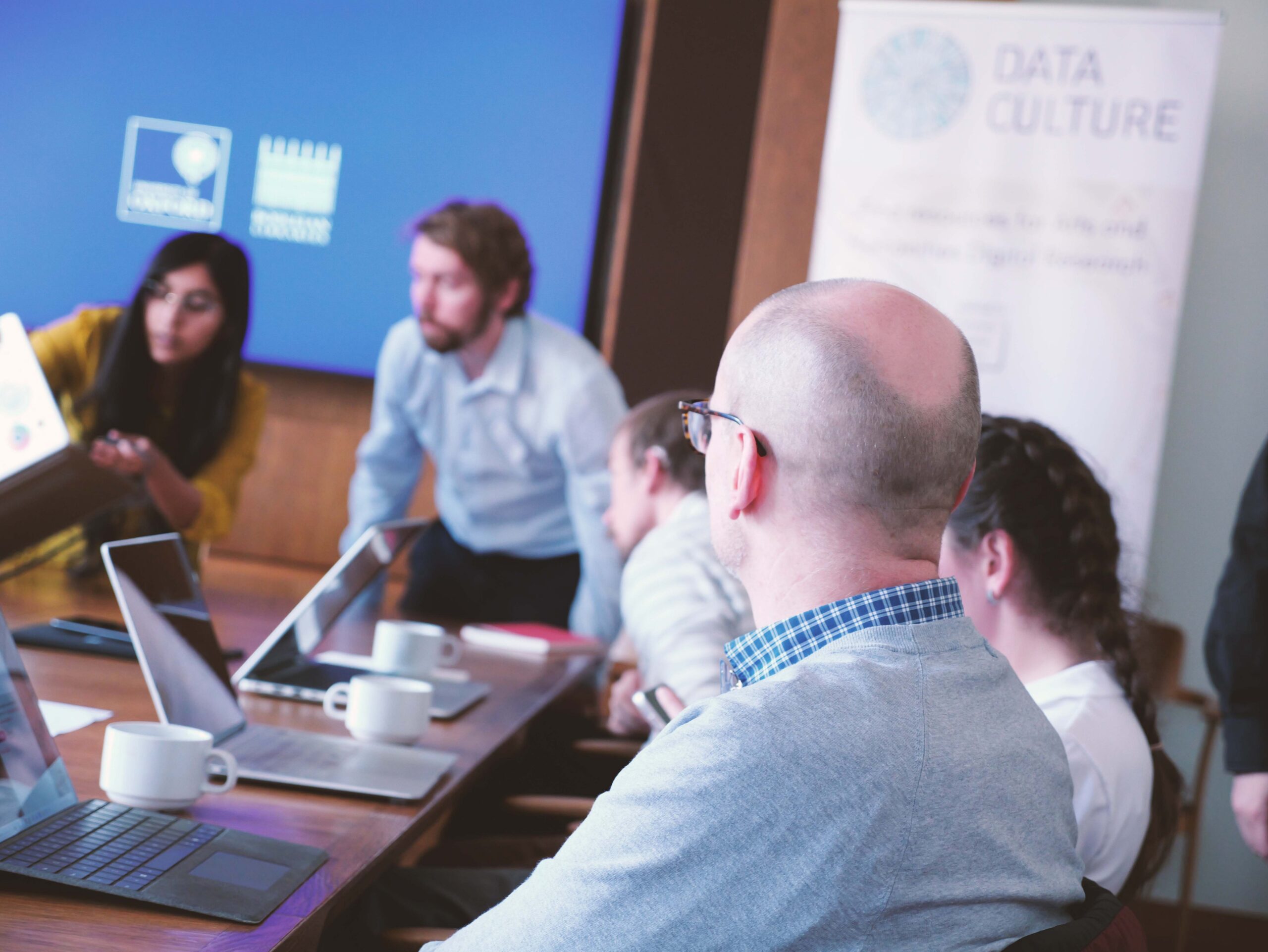
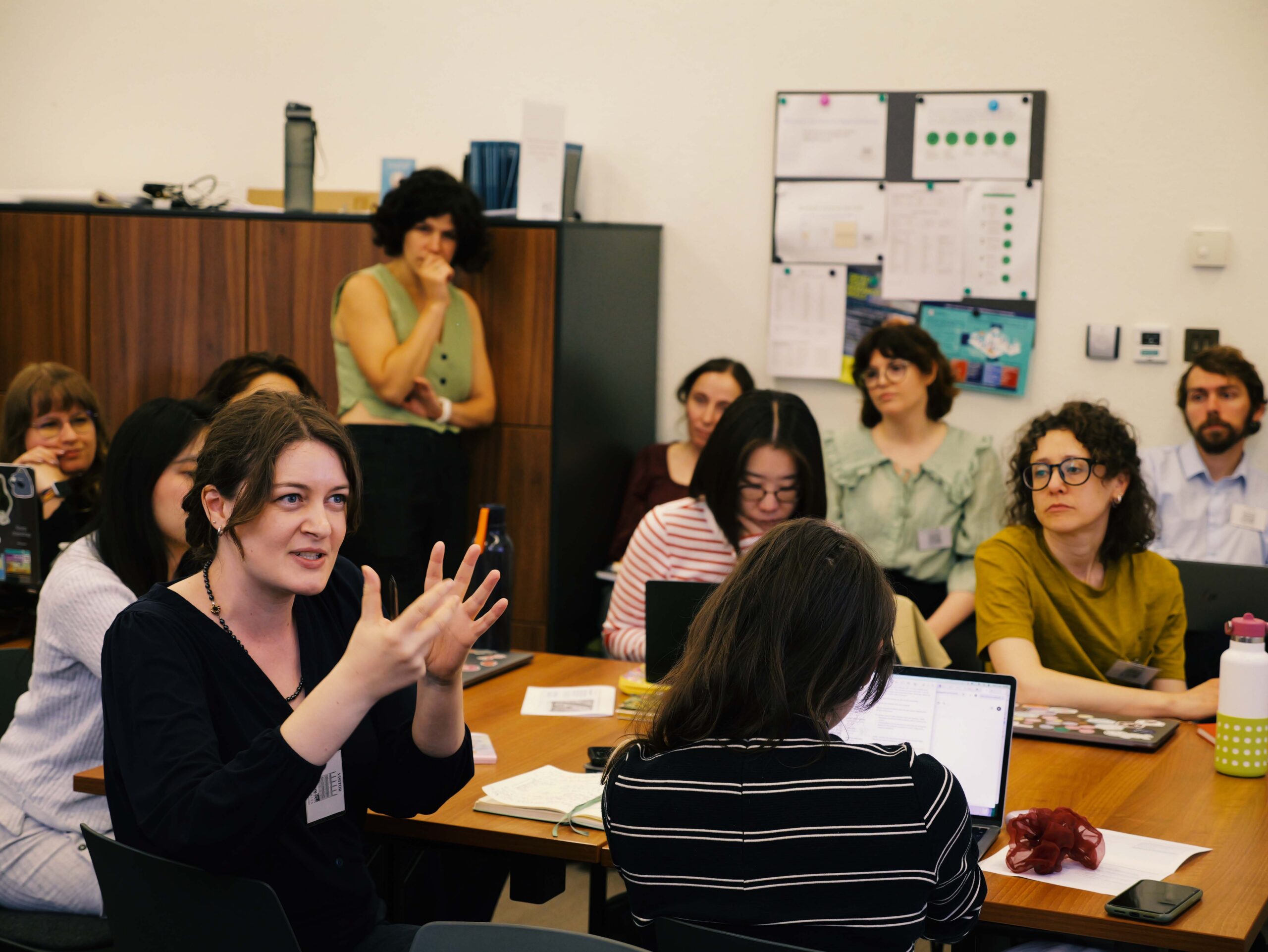

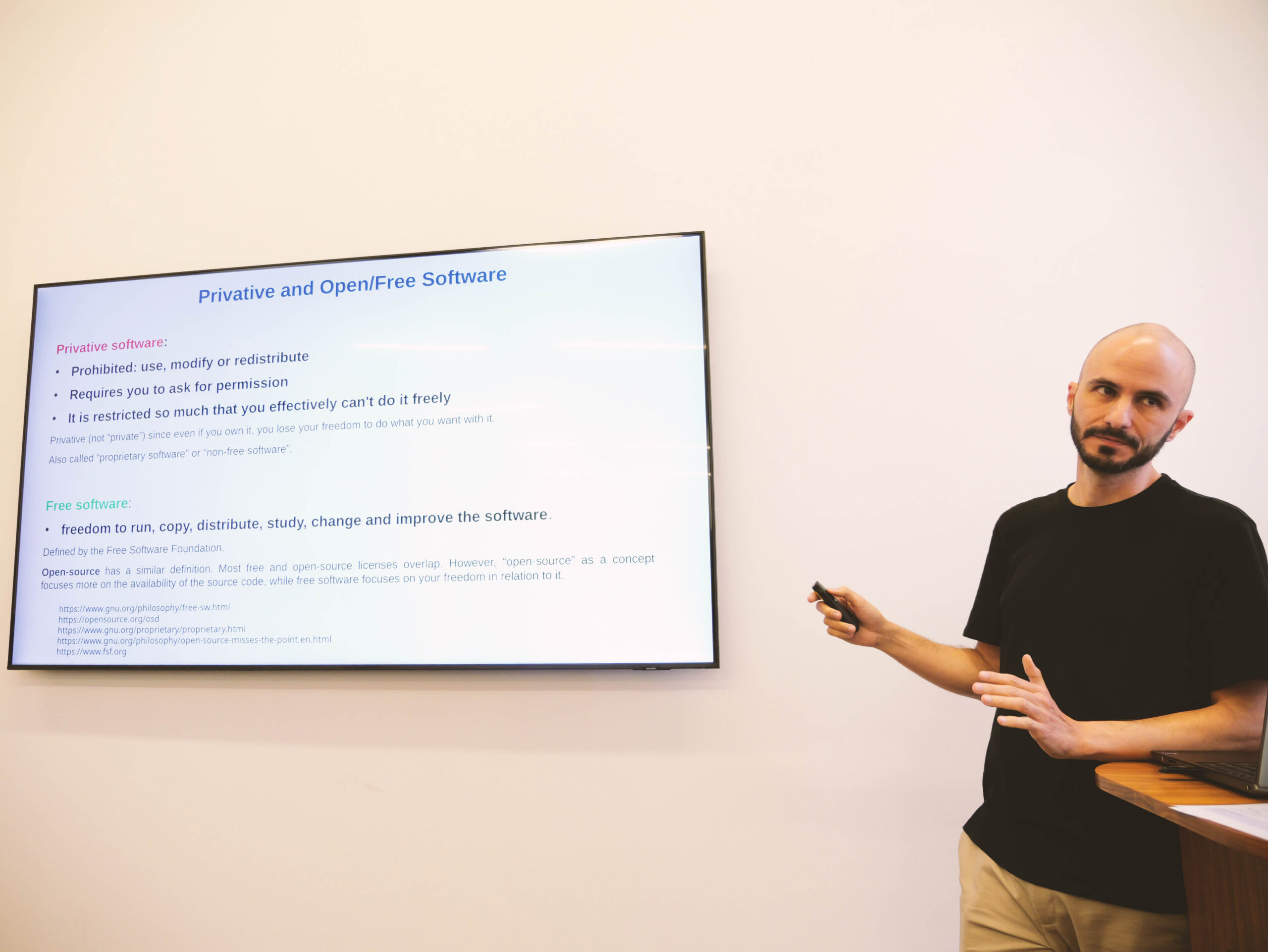
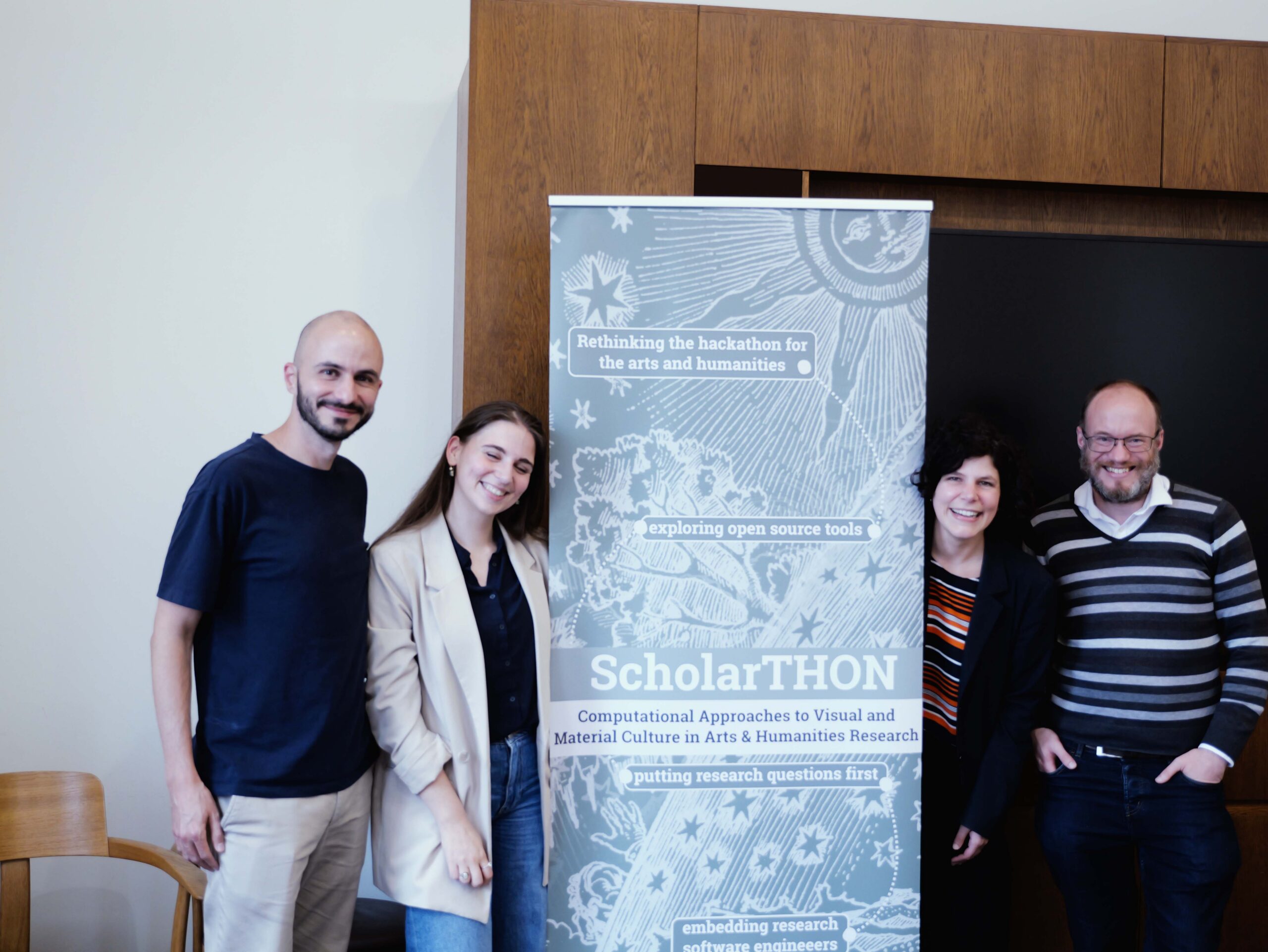
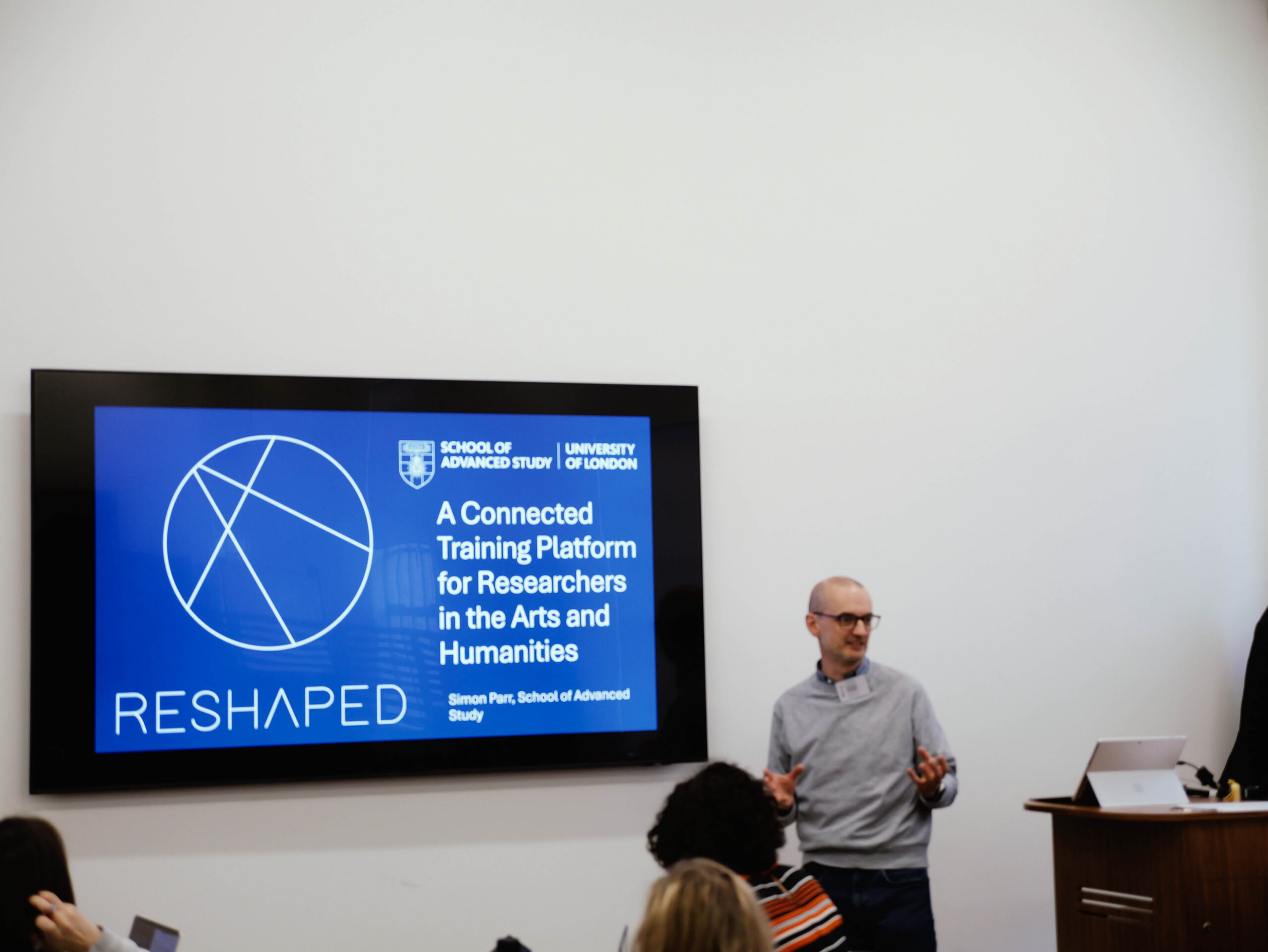
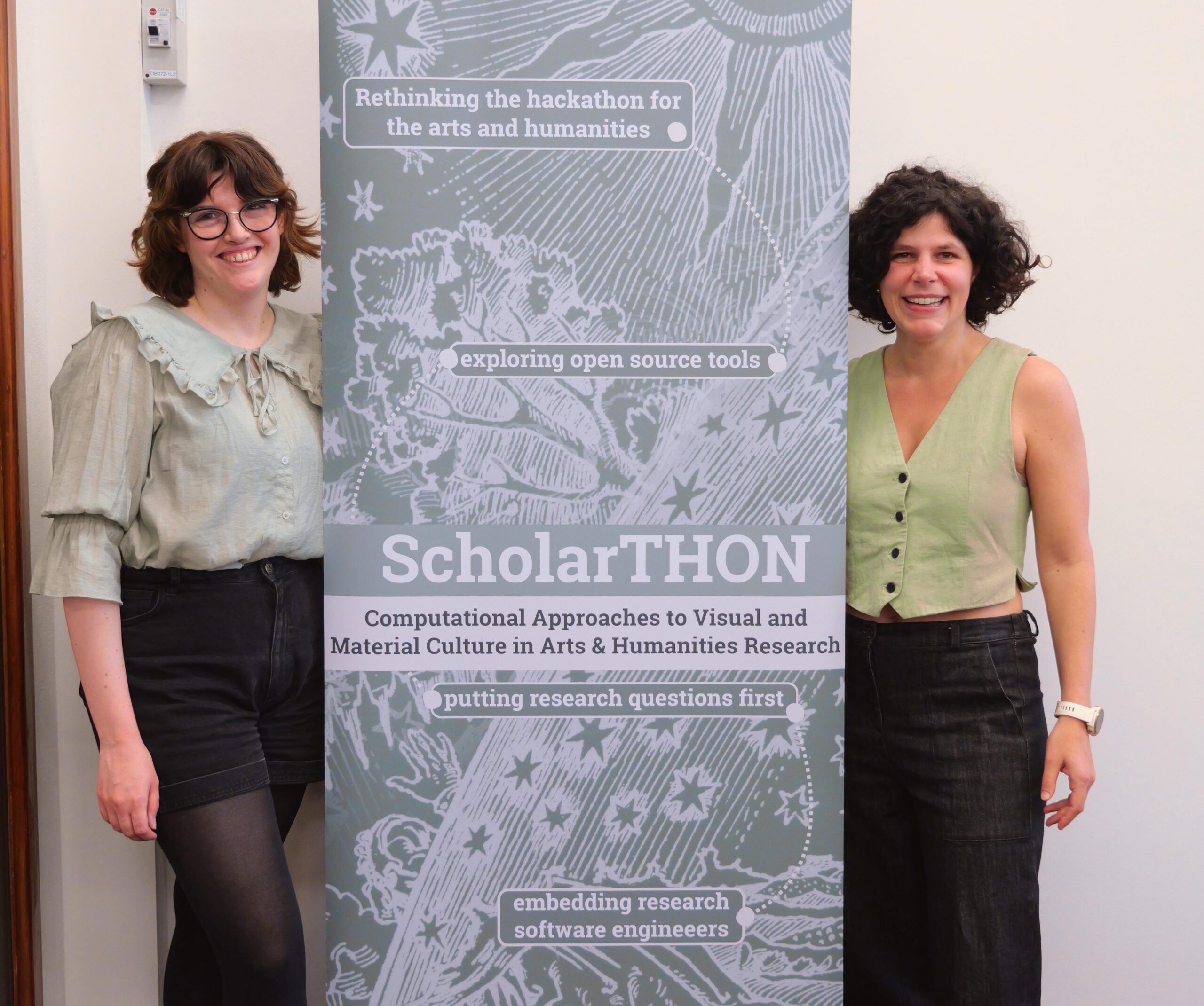
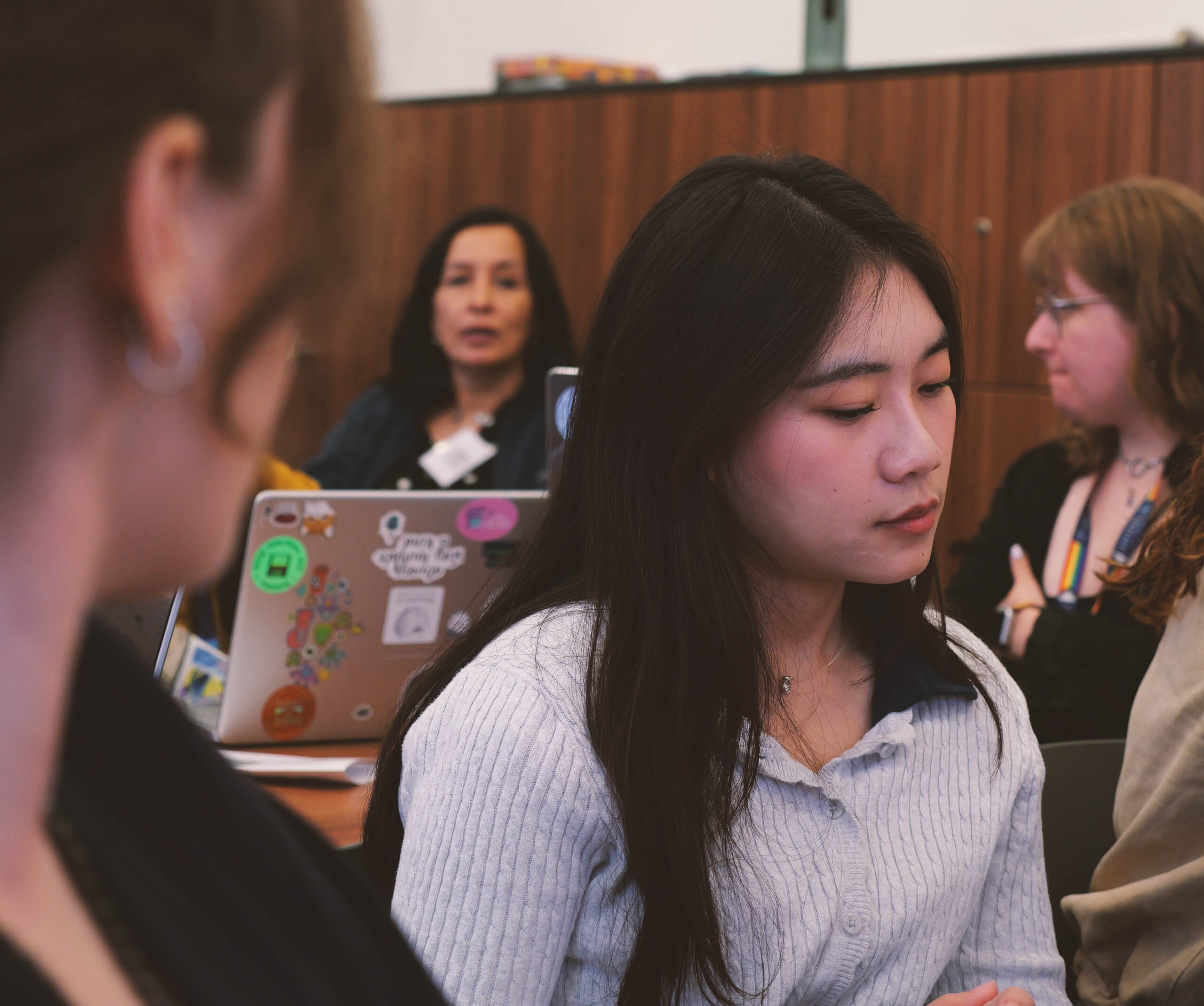
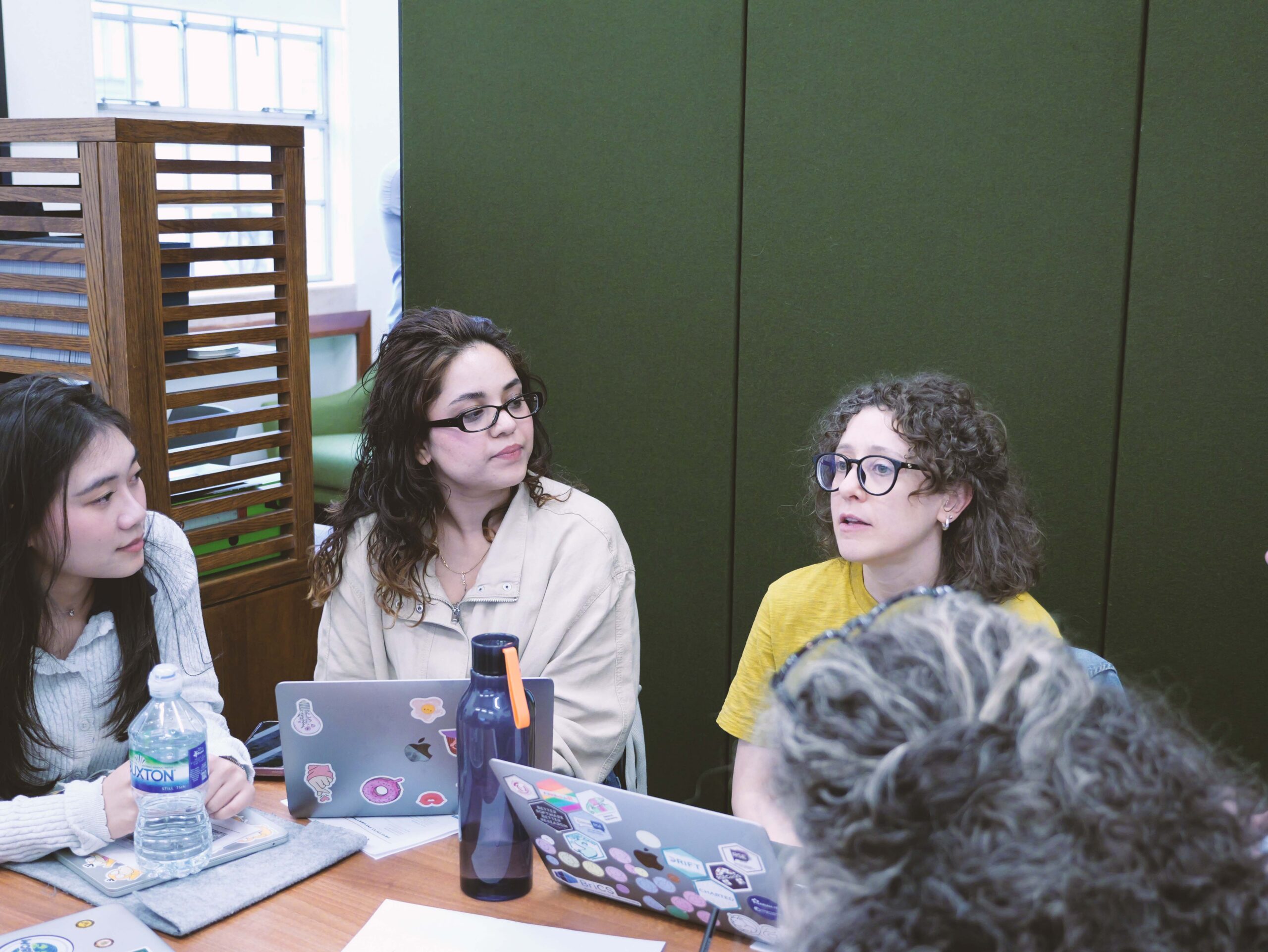
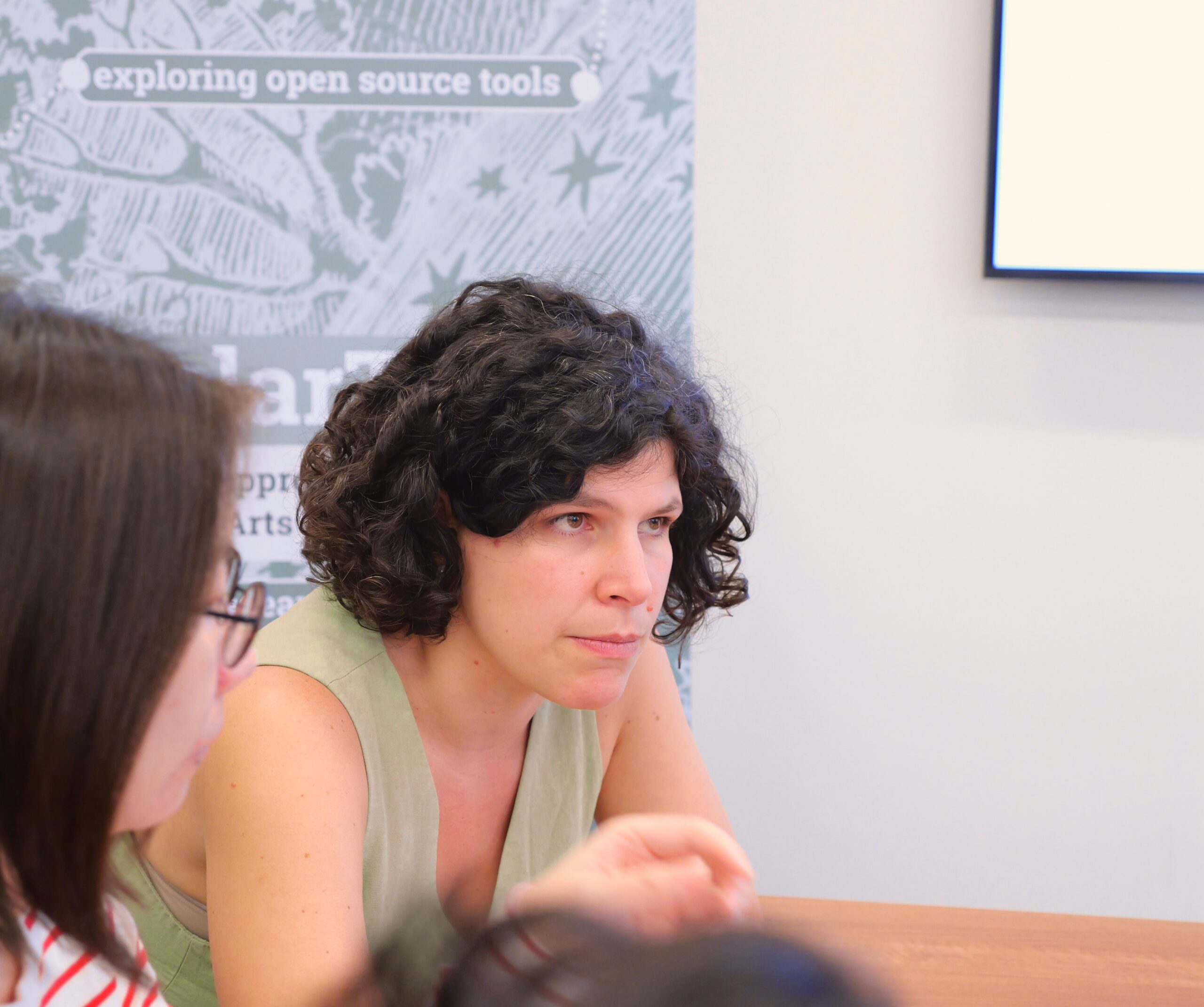
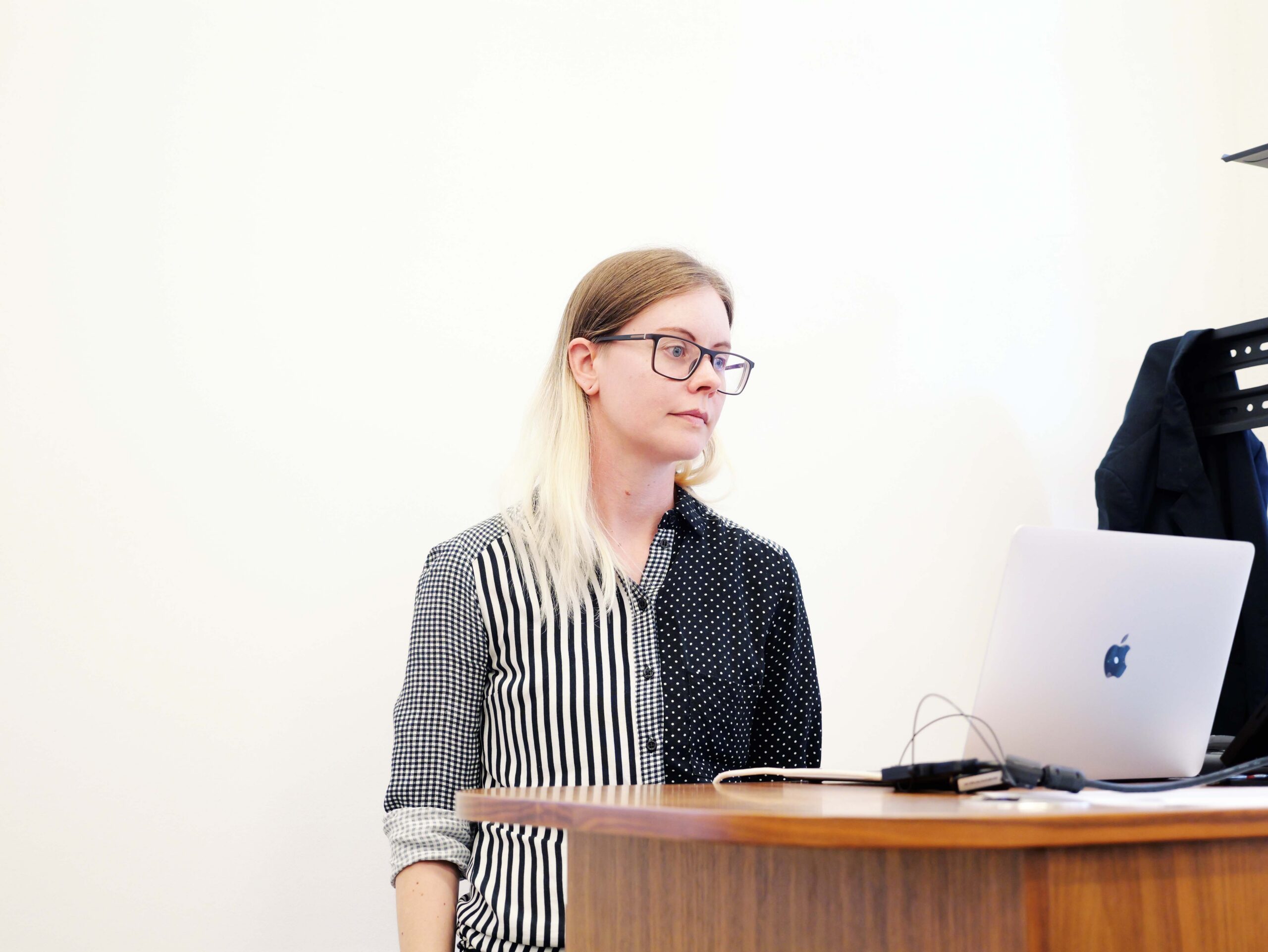
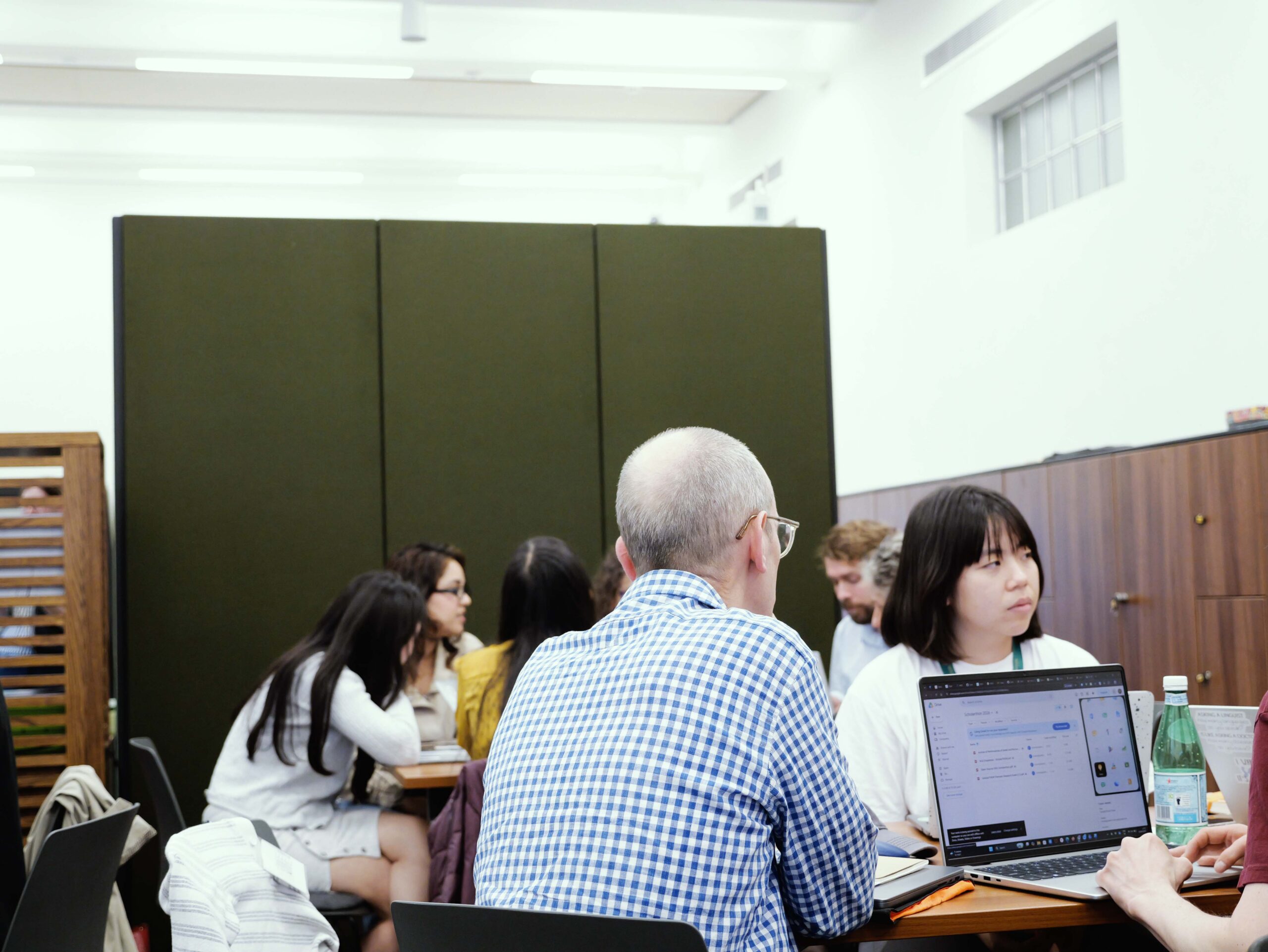
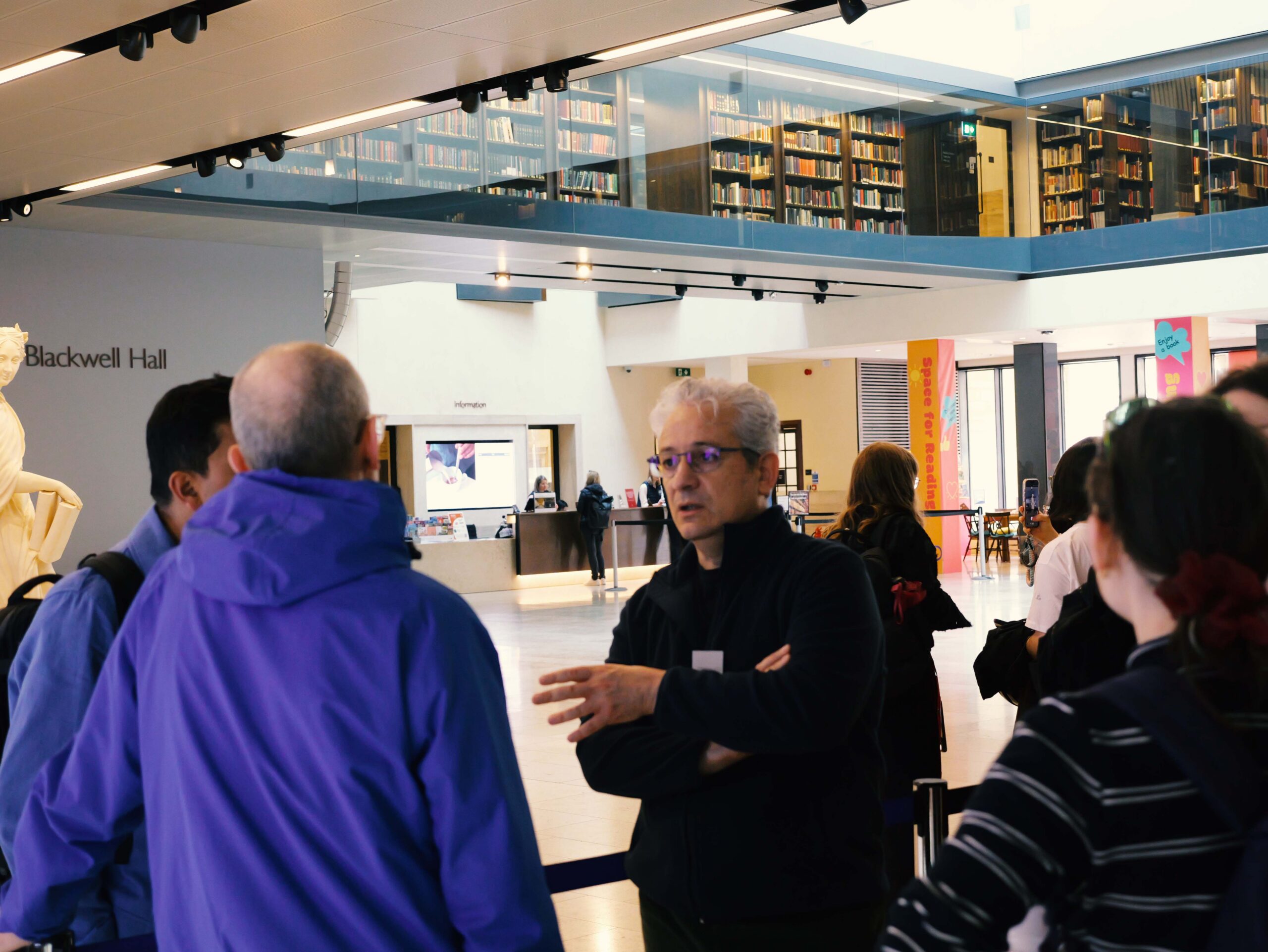
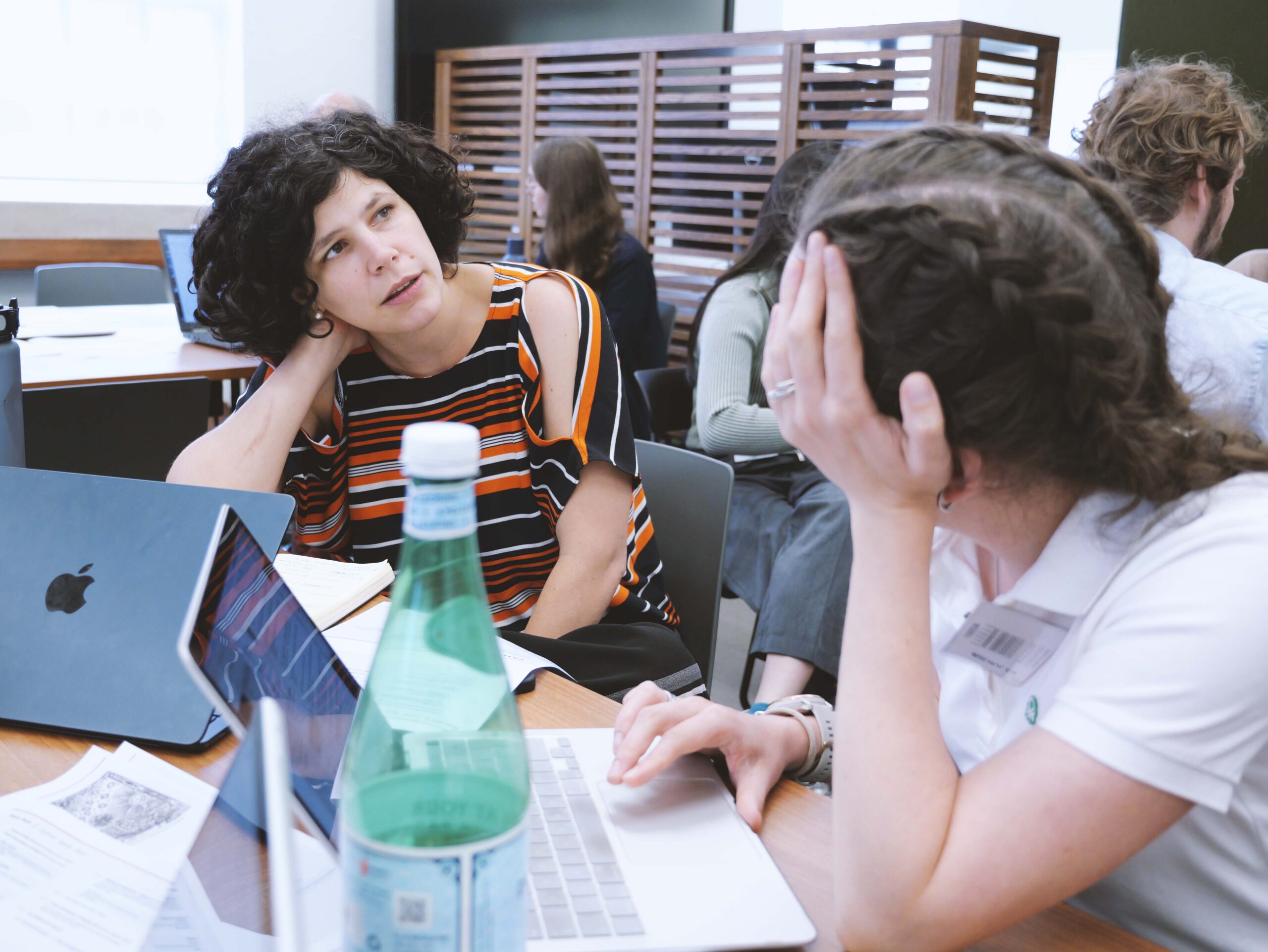
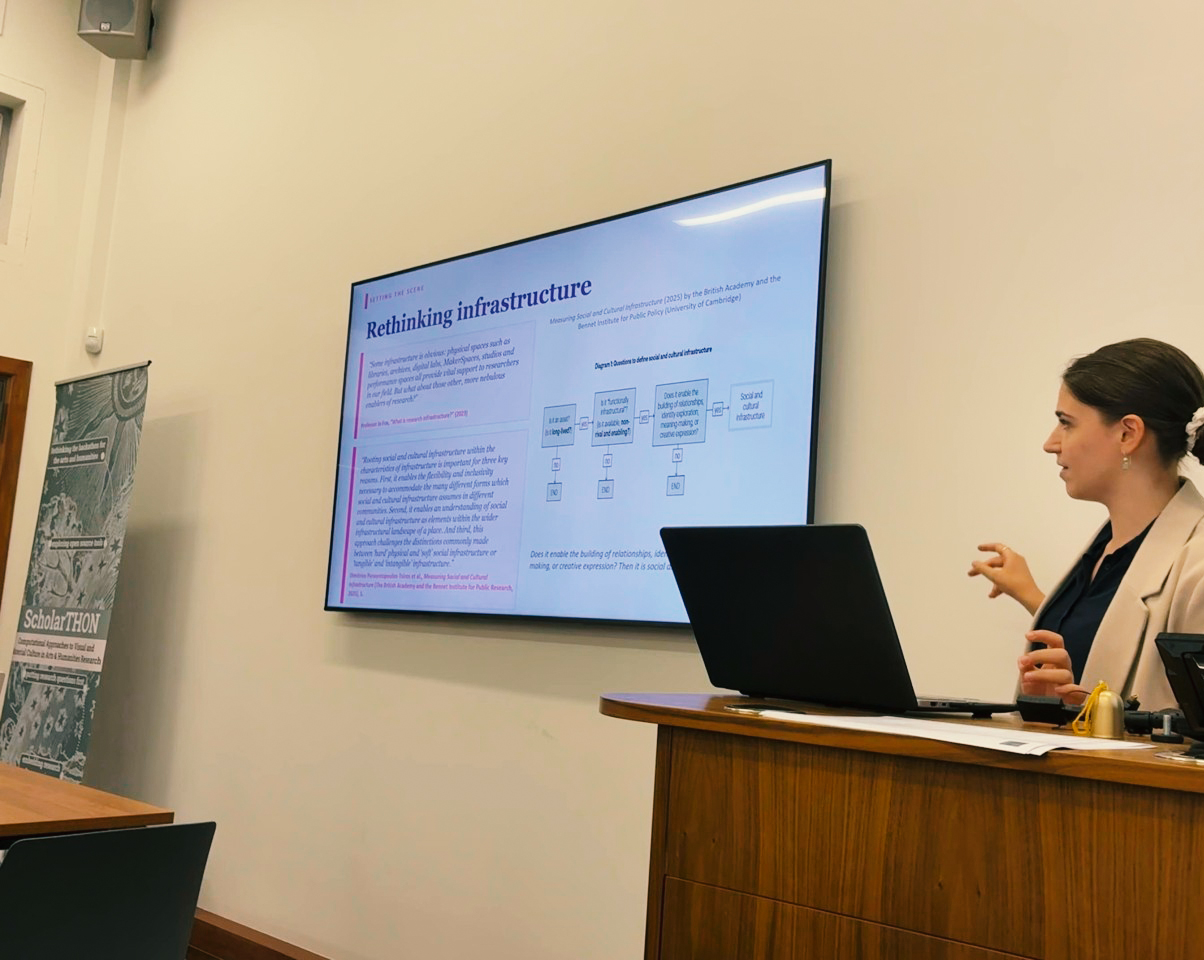
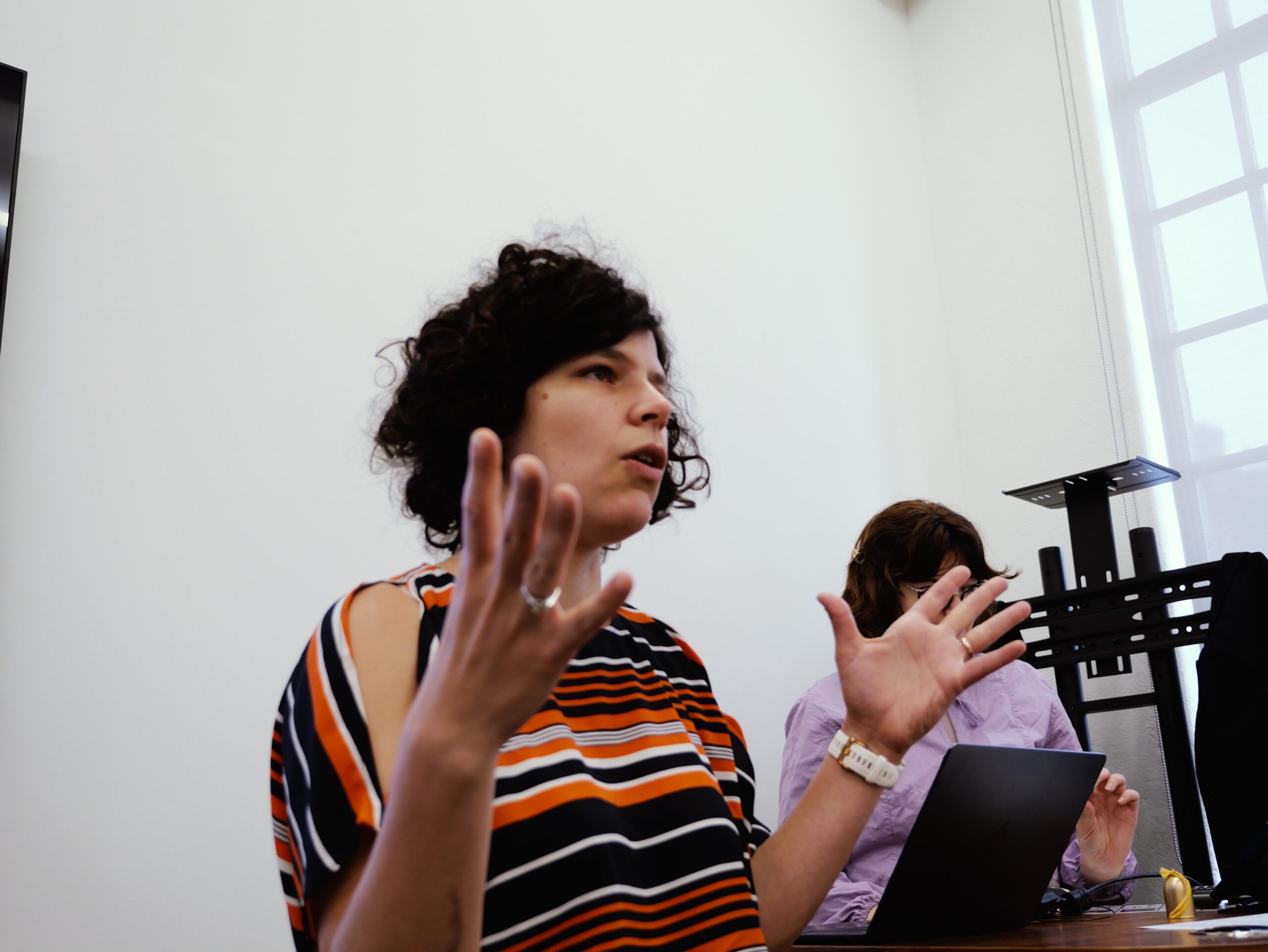
A collaborative space for Arts & Humanities researchers and Research Software Engineers to explore questions in depth, develop ideas rather than products, and think together about how digital tools can support research.— in participants’ own words
What did participants say?
You can finally challenge and confront all the questions that you never have time to think about during work.
No pressure of product. Ideas are valuable.
More of a sharing than a competition.
Group thinking sessions on how to build metadata and AI tools that help researchers find and use datasets.
A workshop for scholars and Research Software Engineers to develop research projects together.
A space to learn and collaborate.
Its reflective nature and space to explore questions in depth.
Different from a hackathon: more conceptual, less coding.
Helping Arts & Humanities researchers feel more empowered to use digital tools.
Research questions rather than solutions.
Two days of collaboration with strangers to come up with research questions related to the (digital) arts and humanities.
No prior coding knowledge required
It's like a hackathon, but with less using IT technologies and more discussing ideas, and then quickly presenting as a group at the end.
The feedback at a glance
A snapshot from the post-event survey.
- research (appeared 25 times)
- tools (appeared 21 times)
- collaboration (appeared 13 times)
- questions (appeared 13 times)
- learn (appeared 10 times)
- digital (appeared 9 times)
- people (appeared 9 times)
- group (appeared 8 times)
- work (appeared 8 times)
- humanities (appeared 7 times)
- data (appeared 6 times)
- explore (appeared 6 times)
- ideas (appeared 6 times)
- RSE (appeared 5 times)
- connections (appeared 5 times)
- event (appeared 5 times)
- experience (appeared 5 times)
- projects (appeared 5 times)
- approaches (appeared 4 times)
- expectations (appeared 4 times)
- knowledge (appeared 4 times)
- methods (appeared 4 times)
- technology (appeared 4 times)
How often each word appeared across participants’ written answers, most frequent first. Words mentioned fewer than four times are not shown.
Mean rating out of 5.
Survey respondents by role · 23 people.
Research questions on the way in
Participants came from across the arts and humanities and the GLAM sector with a rich variety of questions. Examples included:
- How do memorial benches create sites of affect and memory?
- How does K-pop fan art reshape official visual identities?
- How can we make audiovisual museum experiences more accessible?
- How can we expose AI biases in historic collections?
- What happens when cultural heritage is returned digitally rather than physically?
- How do we capture iconographic “moments” across visual collections?
Discovering what exists
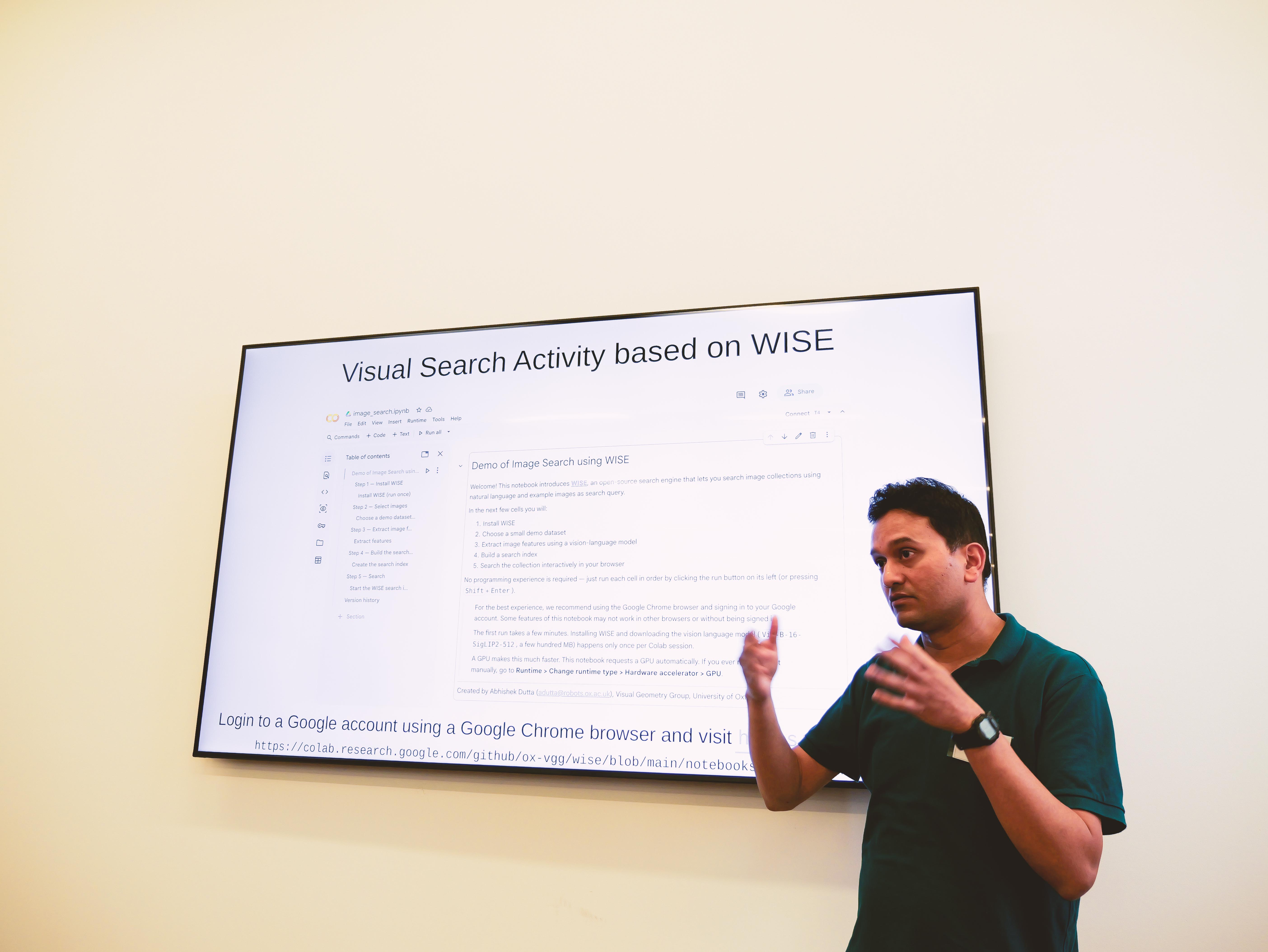
The group explored a range of open-source tools for working with images, text, audio and metadata, including GitHub, the VGG Image Search Engine (VISE), Whisper, Mobile Annotators and Image Annotator.
opensource.digitalscholarship.ox.ac.uk
🔍 Visual analysis of chapbooks printed in Scotland
Can computer vision identify patterns across Scottish chapbook collections?
🎭 Encoding Reception: MedEIA
Using WISE, WhisperX and TEI to capture gesture, silence and embodied action in audiovisual recordings of Greek and Roman drama.
🏛️ Computational Approaches to Critical Cataloguing
Can AI help identify problematic language in catalogue records while keeping human judgement at the centre?
- Many thanks to Miguel Arana-Catania for his presentation on open-source software at Oxford.
- Thanks to Abhishek Dutta for walking the room through the Visual Geometry Group’s open-source visual search tools (VISE, WISE, Image Compare and Image Annotator).
- Thanks to Giles Bergel for his case study on the visual analysis of chapbooks printed in Scotland.
- Thanks to Giovanna Di Martino, Claire Kenward and Mike Kelly for their case study Encoding Reception: MedEIA.
- Thanks to Erin Canning for her case study on computational approaches to critical cataloguing at the V&A Museum.
I really enjoyed the collaborative aspect.
I met so many insightful new people, new connections, new knowledge.
I gained a lot from discussions with peers.
Five shared lines of enquiry
Each group had a Research Software Engineer (RSE) at the table from the very beginning. Organisers grouped the research questions into five main themes:
Research expertise and technical expertise sparked new ways of seeing problems and imagining possibilities. Finding a shared vocabulary was a key part of the work.
Warmest thanks to the wonderful RSEs:
- Miguel Arana-Catania
- Daniel Belteki
- Kunika Kono
- Dmitri Nikolaenko
- Matilda Peruzzo
More of a sharing.
I can finally challenge and confront questions I never have time to think about.
It connected me! With disciplines, people, questions, and ideas!
From question to workflow
Groups explored datasets, tested tools and designed realistic workflows that could support further research.
- A plan for how a question might be investigated with the right combination of data, methods and tools.
- The goal was not a finished product, but a conceptual prototype.
- The winning groups received 10 hours of dedicated collaboration with a Research Software Engineer to continue developing their work.
Questions left the room more precise, more collaborative and more computationally informed.
I enjoyed it. I made connections and heard about some very interesting research projects.
I really liked it; it makes you focus on topics and work hard as during hackathons.
No need to create a final product - only an idea. More like coming up with a business pitch rather than with a demo of the business.
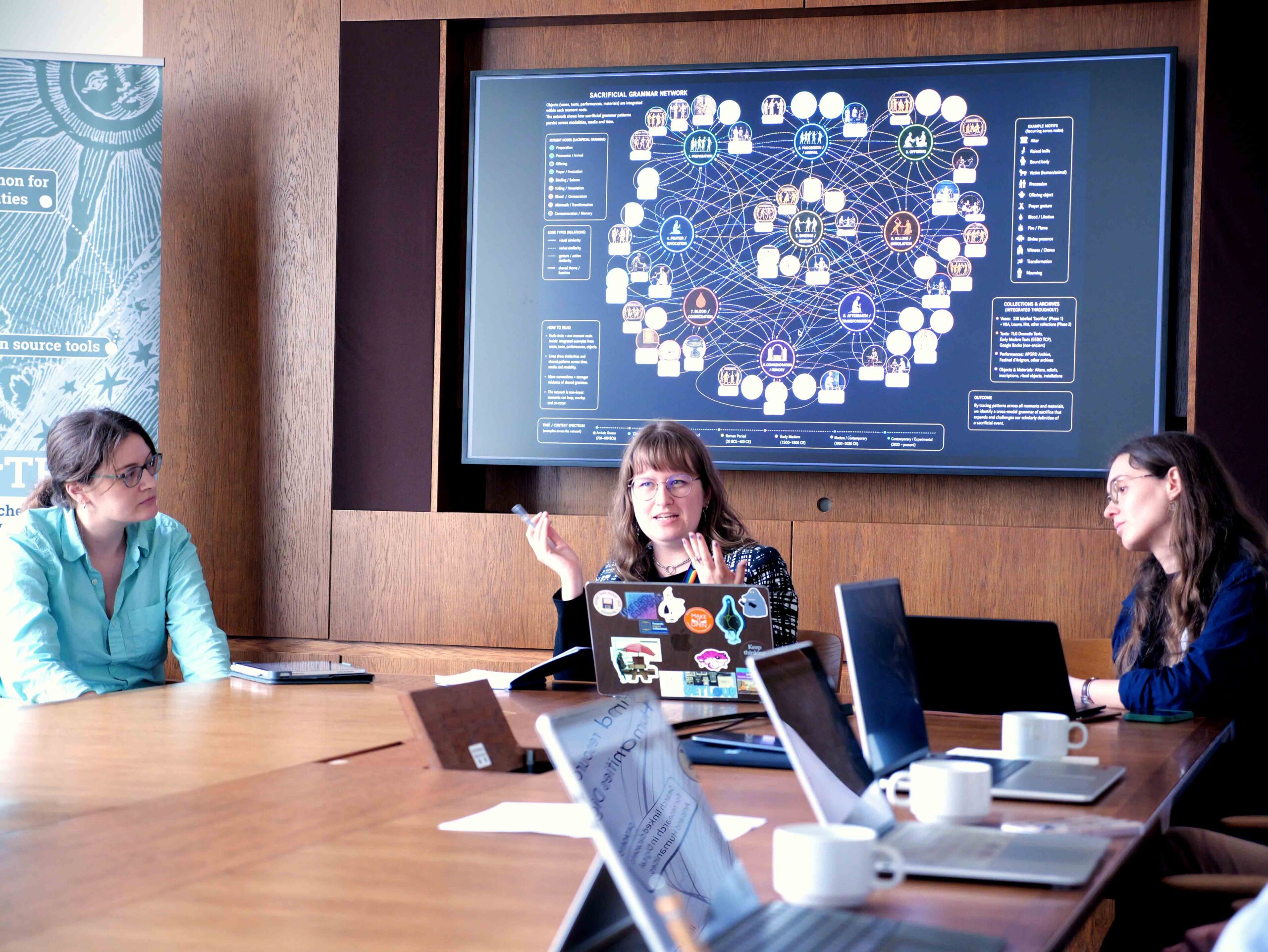
A cross-modal “grammar of sacrifice”
This project explores whether a cross-modal “grammar of sacrifice” can be identified across ancient Greek vase paintings, tragic texts and modern performances of ancient Greek drama. Using AI and multimodal machine-learning tools, the team analyses images, texts and audio-visual material together to identify recurring patterns associated with sacrificial events, from gestures, body postures and movement sequences to objects, keywords and narrative structures. By creating a shared representational space for these different forms of evidence, the group hopes to uncover new connections across media and time, and to develop new digital methods for studying complex multimodal events in Classics and beyond.
Britain’s landscapes of remembrance
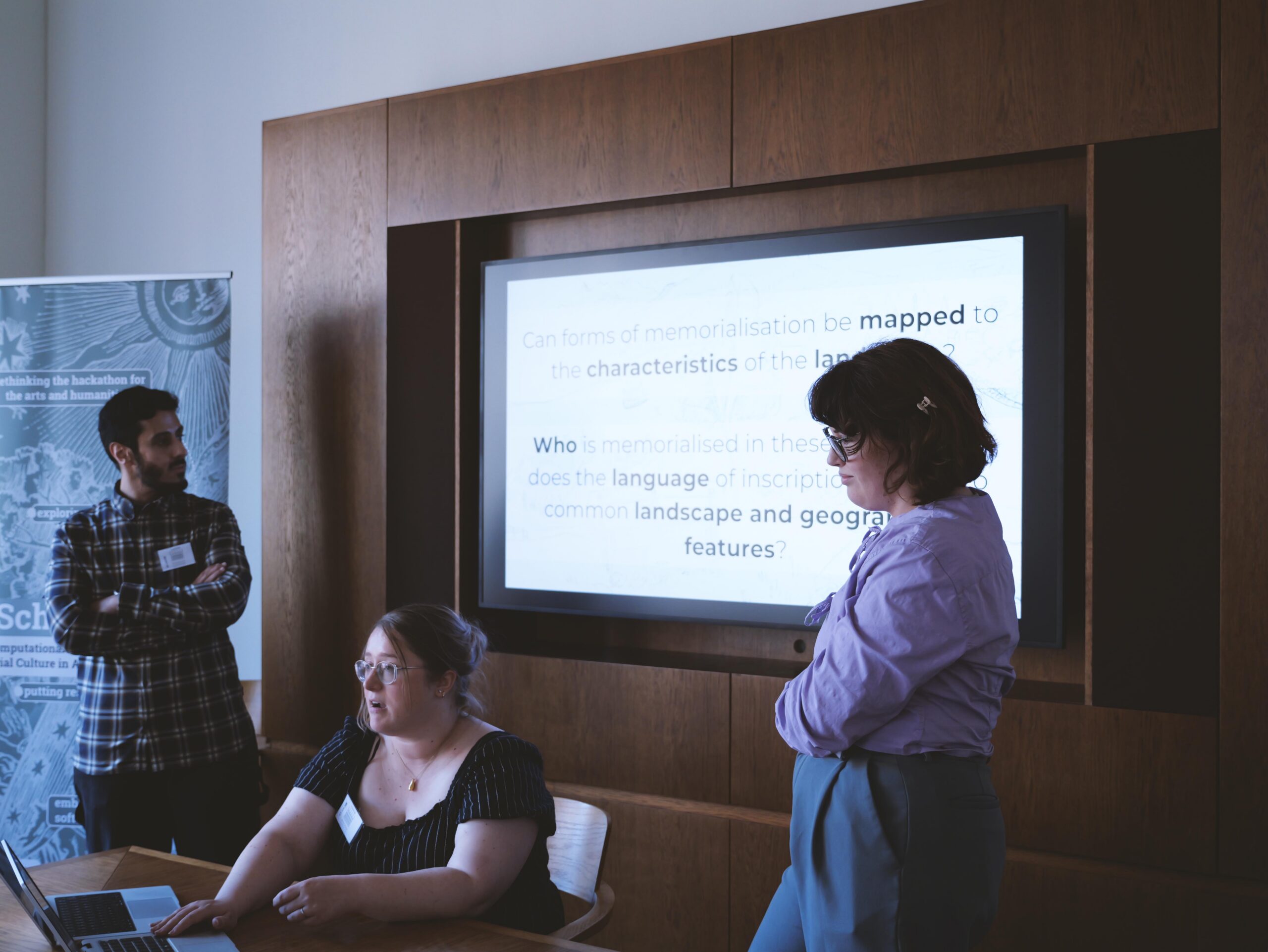
This project examines how Britain’s memorial infrastructures create distinct landscapes of remembrance, and asks whether different forms of memorialisation are associated with particular spatial, social and linguistic patterns. Combining corpus linguistic analysis, location classification and computer vision, the team investigates how memorial inscriptions, identities and landscape characteristics intersect across large-scale crowdsourced datasets. In doing so, the project aims to establish a reusable framework for studying memorial culture that can inform heritage practice, public policy and future interdisciplinary research into memory and place.
- Researchers rarely get protected time to think together across disciplines.
- RSEs are most valuable when involved from the start.
- The best research begins with a question, not a product.
Why ScholarTHON?
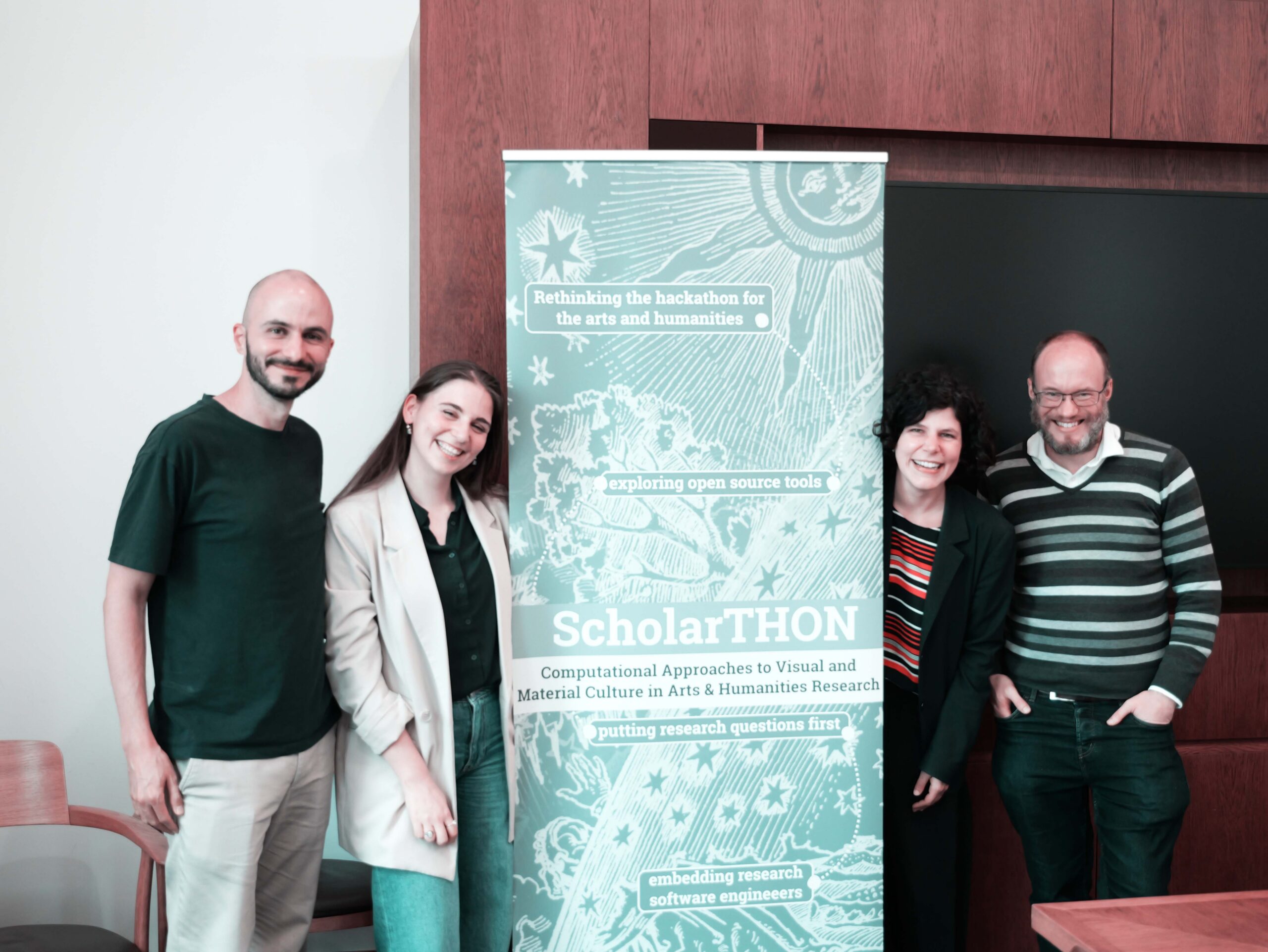
ScholarTHON emerged from a growing sense that something was missing from contemporary conversations about AI, digital methods, and the future of research.
Across universities, museums, libraries, and archives, Arts and Humanities researchers are increasingly encouraged – and sometimes pressured – to engage with new technologies. Training events, workshops, AI demonstrations, and hackathons have multiplied rapidly in recent years. Much of this activity is accompanied by a familiar narrative: everything is changing, we must adapt, and we must move faster.
What often seems absent from these conversations is a clear sense of purpose:
- What exactly are we adapting for?
- What kinds of research do we want to enable?
- What forms of expertise do we want to preserve?
- And perhaps most importantly: what is the role of the Arts and Humanities scholar in this rapidly changing landscape?
ScholarTHON began as an attempt to create space for those questions. It also emerged from a shared concern across its partner organisations. Data/Culture works to connect researchers to datasets, tools, and digital methods; Digital Scholarship @ Oxford's Open-Source Project aims at building communities around software and its reuse; and the Mapping the Arts and Humanities Project (MAHP) makes visible the centres, networks, learned societies, and researchers who often remain hidden within the wider research landscape. The ScholarTHON became a space where these different forms of connection could meet.
Borrowing from the hackathon format developed in programming and software development cultures, the ScholarTHON retained what many people value most about hackathons – focused time, collaboration, experimentation, and the encounter with new tools – while removing the pressure to produce a finished product. Instead, the emphasis shifted towards something often overlooked: the development of research questions.
This shift was also a response to another increasingly scarce resource: time. A UCU report (2022) found that escalating workloads were leaving many academics unable to carry out the teaching and research they had entered the profession to do. More recently, a HEPI–British Academy report (2024) suggested that these pressures fall particularly heavily on researchers at earlier career stages.
Researchers are often expected to produce more outputs, adapt to new technologies, and navigate increasingly complex institutional environments, all while finding less and less time to think. ScholarTHON was designed as a protected thinking space. Stepping away from the pressure of immediate production, it provided two days dedicated to exploration, reflection, and intellectual exchange.
At the same time, the event sought to rethink the relationship between scholars and Research Software Engineers (RSEs).
In many projects, technical expertise enters once the intellectual direction has already been established. At the ScholarTHON, each group worked alongside an embedded RSE from the very beginning. The goal was to create a dialogue. We asked: what happens when technical and disciplinary expertise shape a question together? What kinds of questions become possible when different forms of knowledge genuinely meet?
Underlying all of this was a broader concern about expertise itself.
As generative AI systems become increasingly capable of producing code, text, and images, both scholars and RSEs find themselves navigating uncertain terrain. The role of the RSE remains crucial yet often precarious (Beavan et al. 2025), while that of the Arts and Humanities scholar is increasingly placed under pressure from multiple directions. As generative AI systems are treated as authoritative and ostensibly neutral sources of knowledge, scholarly judgement, interpretation, and critique risk being flattened into information retrieval. Meanwhile, researchers are encouraged to produce, perform, and promote, often leaving less room for the slower intellectual work of questioning assumptions, challenging narratives, and generating genuinely new ways of thinking.
The event therefore proposed a few simple counterpoints:
- Slowness rather than acceleration
- Collaboration rather than service provision
- Research questions rather than solutions
Instead of rushing toward solutions, the aim was to leave with better questions.
As one participant later reflected: “You can finally challenge and confront all the questions that you never have time to think about during work.” Another underscored the collaborative nature of the event: “It connected me. With disciplines, people, questions and ideas.”
And perhaps that is the simplest definition of a ScholarTHON. It is a space where scholars and Research Software Engineers can think together about what research might become before deciding what they want technology to do.
- ScholarTHON: rethinking the hackathon for arts and humanities research - Mapping the Arts and Humanities Blog
- The ScholarTHON programme — Digital Scholarship @ Oxford
Most participants said they would run a ScholarTHON at their own institution.
- Access to Research Software Engineers
- Technical expertise and tools
- Programme and speaker support
- Funding and institutional backing
- Collaborators to build it with
- Programming languages (e.g. Python)
- Language-analysis tools
- Linked Open Data and Wikidata
- Computer vision
- The role of LLMs
- AI–human interaction
- Museum object records
- Metadata

Dr Giovanna Di Martino is Community and Project Manager for Data/Culture at Oxford, Honorary Leventis Fellow at UCL (2024-2027), and Fellow at the Harvard’s Centre for Hellenic Studies (2026-2027).
Elena Zolotariov is the Mapping the Arts and Humanities Liaison Officer at the School of Advanced Study, University of London.
Introducing Mapping the Humanities and AI
Deborah Lupton / Pop Chips / Licenced by CC-BY 4.0Today the Mapping the Arts and Humanities...

Postcards from Nottingham II: Digging into the Archives
Much of what we now call innovation began as grassroots practice. Our second postcard from...
Postcards from Nottingham I: the Law and the Humanities Map at the British Legal History Conference
What happens when you put an infrastructure map on a table for three days and ask people whether it has represented them accurately? The Law and the Humanities Map went to the 27th British Legal History Conference in Nottingham to find out.
Law and the Humanities Map to debut new features at the British Legal History Conference
This week the Mapping the Arts and Humanities team is bringing a freshly upgraded Law and the Humanities Map to the 27th British Legal History Conference, hosted by the University of Nottingham from 1-4 July 2026.

Out of the comfort zone: creative methods across law and the humanities
In this companion piece to the Mapping the Arts and Humanities Podcast, Professor Jacqueline Hodgson (University of Warwick), Dr Nicole Bögelein (University of Cologne), and Sophie Marois (University of Toronto) discuss what creative practice brings to research in law, policing, and criminology and how a map might better represent the cross-sector work it depends on.
ScholarTHON: rethinking the hackathon for arts and humanities research
Hackathons emerged among software developers in the late 1990s, built around a particular kind of work. ScholarTHON, a two-day event on 2–3 June at Oxford’s Weston Library, rebuilds the format for arts and humanities research. MAHP is delighted to support it alongside the Data/Culture project, the Bodleian’s Centre for Digital Scholarship, and Digital Scholarship @Oxford. Registration is free; no coding experience required.

The Law and the Humanities Map at the SLSA Conference 2026
The Law and the Humanities Map made its first in-person appearance at the Socio-Legal Studies...
Join our mailing list
Receive blogs as soon as they're published, along with project updates and event information, plus special access to digital tools to help you make the most of the dataset.